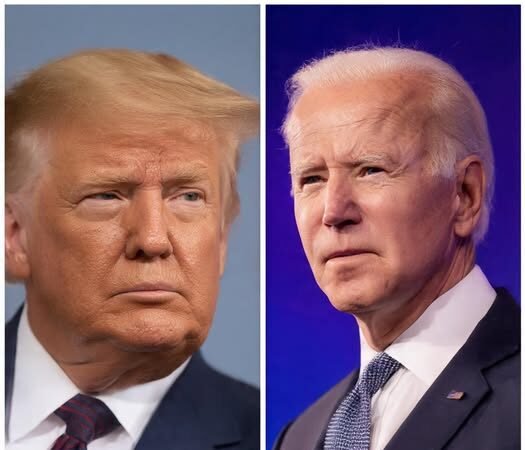
Debate Over Safety Resurfaces as Americans Compare Leadership Under Trump and Biden
As political discussions continue across the United States, a recurring question has resurfaced in public conversations and on social media: Do Americans feel safer under former President Donald Trump or current President Joe Biden?
The debate reflects broader concerns about national security, crime, economic stability, and global tensions—issues that many voters consider when evaluating political leadership.
Leadership and Perception of Safety
Supporters of Donald Trump often argue that they felt safer during his administration due to his firm stance on border security, strong law-and-order messaging, and aggressive foreign policy positions. Trump frequently emphasized military strength and immigration enforcement as key pillars of his approach to national safety.
During his presidency, Trump also highlighted policies aimed at strengthening border controls and increasing federal support for law enforcement.
On the other hand, supporters of Joe Biden point to different priorities. Biden has focused on international alliances, domestic investment, and addressing root causes of issues such as crime and migration. His administration has also emphasized diplomacy and cooperation with global partners as central to national security.
Crime and Domestic Concerns
Public perception of safety is often influenced by crime statistics and community experiences. While crime trends fluctuate over time and vary by region, they frequently become central topics during political debates.
Supporters of Trump argue that stricter policies and stronger law enforcement messaging contributed to a greater sense of order. Meanwhile, Biden’s supporters say his administration has worked to fund community programs, support policing reforms, and address economic factors tied to crime.
Experts note that crime patterns depend on many complex factors, including economic conditions, local policies, and demographic changes—not just federal leadership alone.
Global Security and Foreign Policy
Another key part of the debate centers on international stability. Trump’s approach to foreign policy often involved direct negotiations and a willingness to challenge traditional diplomatic norms. Some supporters say this projected strength and deterred potential adversaries.
Biden, however, has prioritized rebuilding relationships with longtime allies and strengthening international partnerships. His administration argues that cooperation between democratic nations strengthens global security and reduces long-term risks.
Public Opinion Remains Divided
Polls show that Americans remain deeply divided along political lines when answering questions about safety and leadership. Supporters of each president often interpret the same events differently, reinforcing existing political viewpoints.
For many voters, feelings of safety are influenced not only by policy decisions but also by broader social and economic factors such as inflation, job stability, and international conflicts.
A Continuing Political Question
As the United States moves closer to future elections, debates about leadership, security, and public confidence are likely to intensify.
Whether Americans feel safer under one administration or another often depends on personal experiences, political beliefs, and which issues matter most to them.
What remains clear is that the question of safety—both at home and abroad—continues to be one of the most powerful topics shaping the national political conversation.