Erika Kirk’s Spiritual Adviser Father Don Klein Faces Explosive Allegations and Proven Lies Amid Turning Point Ties
The sudden and violent death of Charlie Kirk in September 2025 sent shockwaves through the conservative world. The founder of Turning Point USA was assassinated during a campus event in Utah, leaving behind a grieving widow, Erika Kirk, who stepped into leadership roles at the organization while navigating profound personal loss. In the months that followed, Erika has leaned heavily on her Catholic faith, drawing support from Father Don Klein, the longtime pastor of St. Bernadette Catholic Church in Scottsdale, Arizona. Yet what began as a story of spiritual solace has morphed into something far more troubling, as questions swirl around Klein’s background, his responses to serious accusations, and his apparent connections to Turning Point activities.
Father Klein has been at St. Bernadette since 2007, a fixture in the local Catholic community known for his outspoken views on issues like abortion. Erika, who was raised Catholic and attended a Catholic high school in the area, reportedly turned to him for guidance after Charlie’s murder. Sources close to the family have described Klein praying over Charlie the night before the fatal shooting, and Erika has spoken warmly of his role in her healing process. But as public scrutiny intensified, a recorded interview from January 2026 surfaced, showing Klein fielding uncomfortable questions about his involvement with Erika, allegations from his past, and his knowledge of Turning Point USA.
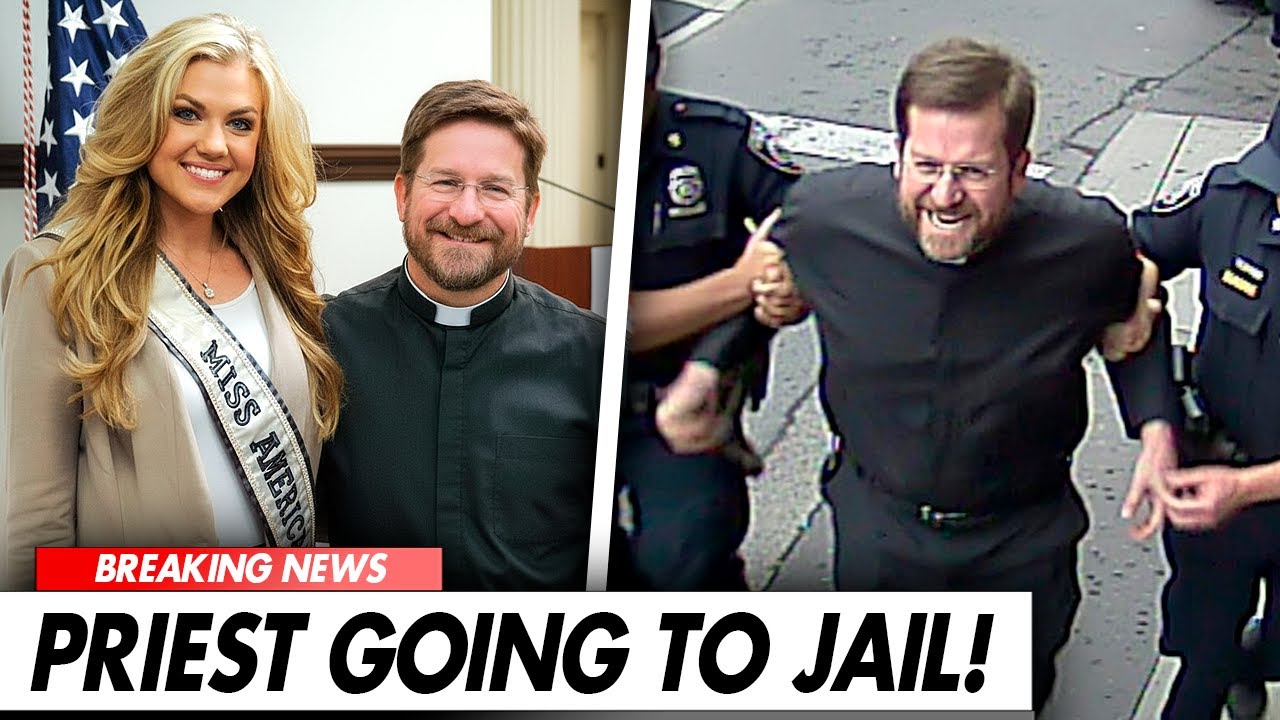
In the conversation, Klein grew defensive when asked if he served as Erika’s personal adviser following Charlie’s death. He emphasized advising “thousands” of people and questioned the relevance to the tragedy, avoiding a straightforward confirmation or denial of a special role. More strikingly, when pressed on Turning Point, Klein insisted he knew little about the organization and had never attended any of their events. “I’ve never been to a Turning Point event,” he said firmly. “It’s just not my thing.”
That claim crumbled under basic fact-checking. Photographs and footage from October 2025 show Klein backstage at a Turning Point tour stop at the University of Mississippi, standing alongside Erika. The discrepancy is glaring—why downplay attendance unless there’s more involvement than admitted? Critics point to this as evidence of deeper ties, perhaps even facilitating connections between Erika and influential donors during her period of mourning. When directly asked about acting as a middleman with wealthy supporters like Stacy Sheridan, Klein deflected again: “I’m always the last to know,” he replied, insisting there was “no truth” to such claims.
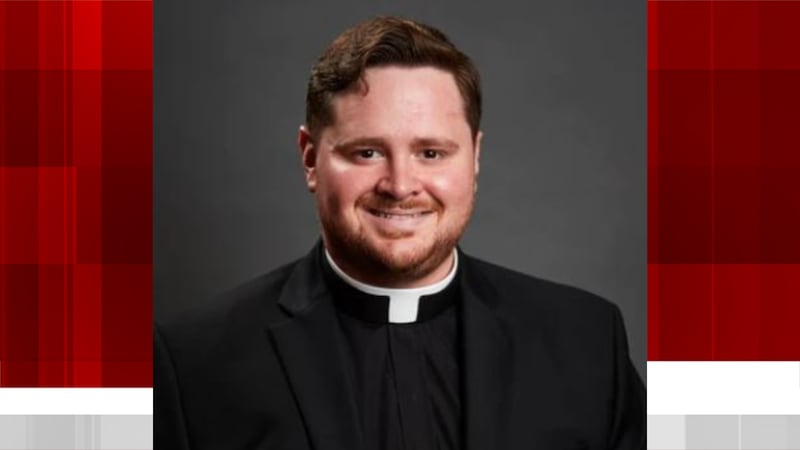
The most unsettling segment came when the discussion turned to rumors of misconduct in Klein’s past. The interviewer referenced allegations of inappropriate conduct or improprieties with parishioners. Klein’s response? Not a clear denial, but a pivot to church procedures: “If there was any truth to that, I wouldn’t be sitting here. I would be removed.” He highlighted the diocese’s sensitivity to scandals, noting that any credible issue would lead to immediate action. While this implies innocence through continued ministry, it stops short of addressing the accusations head-on. The Diocese of Phoenix has a documented history of addressing clergy misconduct—over the decades, numerous priests faced removal or laicization amid abuse claims—but no public records confirm Klein’s name on official lists of credibly accused clergy. Still, the evasiveness in his answers has left many uneasy.
This isn’t happening in a vacuum. Erika’s recent “Make Heaven Crowded” tour under Turning Point Faith has drawn fire for featuring Pastor Greg Laurie as a key speaker. Laurie, founder of Harvest Christian Fellowship, faces consolidated lawsuits from over 20 Romanian survivors alleging decades of sexual abuse and trafficking at children’s homes run by former Harvest pastor Paul Havsgaard. The complaints accuse Laurie and church leaders of negligence, ignoring warnings, and continuing funding despite reports of abuse. Havsgaard allegedly committed horrific acts, with plaintiffs claiming systematic cover-ups stretching back to the late 1990s. Laurie has denied wrongdoing, and the church seeks dismissals, but the filings paint a picture of institutional failure.

Candace Owens publicly criticized Erika’s decision to partner with Laurie, calling it tone-deaf given the Romania allegations. Yet the tour launched at Harvest Church, with Erika sharing the stage. The pattern—platforming figures with unresolved controversies—has people asking hard questions. Is it poor vetting, deliberate choices, or something else?
Charlie’s assassination remains a raw wound. The shooter, Tyler Robinson, acted alone according to authorities, but the event fueled speculation about political motives. In that context, Erika’s alliances take on added weight. Surrounding herself with men facing serious allegations risks undermining her message of faith and renewal.

Faith communities deserve transparency. When spiritual leaders face questions, direct answers build trust; deflections erode it. Father Klein’s continued ministry suggests no formal findings against him, but the public record of his interview and the Turning Point lie invite skepticism. Erika’s journey through grief is deeply human, yet her choices in advisers and partners are now under intense examination.
As Turning Point evolves under Erika’s leadership, these controversies highlight tensions between politics, faith, and accountability. The faithful watch closely, hoping for clarity amid the shadows. Whether this leads to reflection or further division remains to be seen, but one thing is clear: the questions won’t fade quietly.
