HE WANT THAT 10% FR Pastor Tells Congregation To Bring Their Tax Returns To Church So He Can Review Them: “I’m Gonna Put A Stop To Some Of Y’all Playing In My Face During
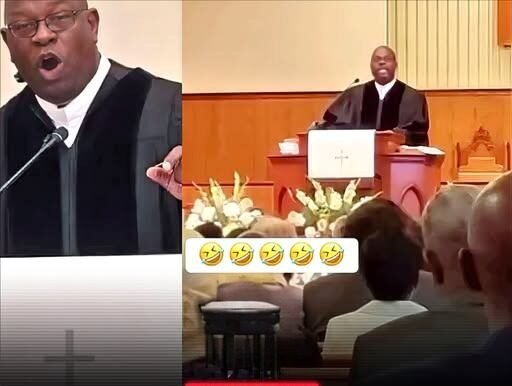
A pastor has gone viral on social media after a sermon in which he asked members of his congregation to bring their tax returns to church so he could personally review their income before accepting tithes and offerings.
Clips of the moment spread quickly online, igniting debate about church finances, accountability, and the role of religious leadership in members’ personal financial matters.
Viral Sermon Clip
In the widely shared video, the pastor tells his congregation that he wants to put an end to what he described as people “playing in his face” during tithes and offerings.”
He then asked church members to bring copies of their tax returns to the next service so he could verify their income and ensure they were contributing what he believes to be the appropriate amount.
“It’s tight, but it’s right,” the pastor said to the congregation during the sermon.
The remark drew a mix of reactions from the audience in the video and quickly caught the attention of viewers online once the clip began circulating.
Debate Over Tithing Practices
Tithing — the practice of donating a portion of one’s income to a church — is a long-standing tradition in many Christian communities. Some congregations encourage members to give around 10% of their income, although practices vary widely between churches.
However, requiring members to present personal financial documents is highly unusual and has raised questions among viewers and religious commentators.
Critics online argue that requesting tax returns crosses a line into private financial matters, while others say it reflects frustration among some church leaders about members who pledge donations but contribute less than expected.
Mixed Reactions Online
The viral video has sparked intense discussion across social media platforms.
Some users supported the pastor’s message about honesty in giving, saying churches rely on donations to operate and serve their communities.
Others strongly criticized the request, arguing that financial contributions should remain voluntary and private between individuals and their faith.
Several commentators also pointed out that most churches do not verify income when collecting donations.
Larger Conversation About Transparency
The viral moment has also renewed broader conversations about financial transparency within religious organizations.
Some observers say the incident highlights ongoing debates about how churches handle money, how leaders encourage donations, and how much oversight should exist on both sides.
As of now, it is unclear whether the pastor’s request will actually be implemented or if the statement was intended as a symbolic message to encourage more consistent giving.
Regardless, the sermon clip continues to circulate widely online, turning a single church moment into a nationwide conversation about faith, money, and accountability.